



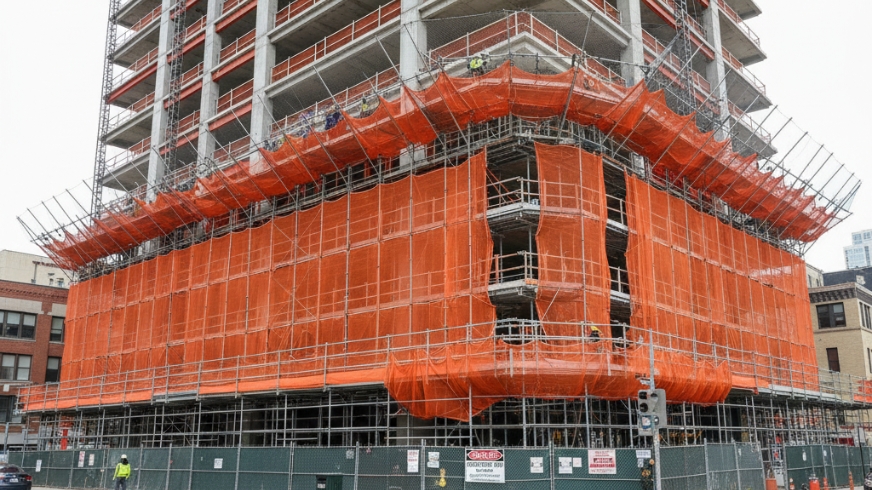
 Site Safety
Construction Safety Nets: Essential Protection for Modern Building Sites
Construction safety nets are a critical component of modern building site safety protocols. These specialized nets serve dual purposes: protecting workers from falls and preventing debris from falling onto public areas or other work zones. In an industry where safety is paramount, understanding the proper selection, installation, and maintenance of these nets can mean the difference between a secure worksite and potential disaster.
Today's construction safety nets are engineered to meet stringent international standards, capable of absorbing significant impact energy while maintaining structural integrity. They are manufactured from high-tenacity materials like polypropylene, nylon, or polyester, treated with UV stabilizers to withstand prolonged sun exposure. The mesh design allows wind to pass through while capturing falling objects, making them ideal for high-rise construction projects where wind loads are a significant consideration.
Safety nets aren't just equipment—they're a commitment to protecting human lives. A properly installed safety net system can reduce fall-related injuries by up to 85% and is often the last line of defense between a worker and serious injury.
Construction Safety Manager
Professional installation begins with a comprehensive site assessment. Safety engineers evaluate the building's height, structure, and specific risk areas to determine optimal net placement. Perimeter protection nets are installed around the building's edges to catch falling workers, while horizontal safety nets are positioned at various levels to protect workers on different floors. Debris containment nets are typically installed vertically to catch falling tools and materials. Each installation requires precise tensioning, secure anchor points rated for specific load capacities, and regular inspection protocols.
Material specifications vary based on application. Personnel safety nets must comply with EN 1263-1 standards, with minimum breaking strengths ranging from 17.8 kN for light-duty to 35 kN for heavy-duty applications. Mesh sizes are carefully selected—typically between 60mm and 100mm—to prevent body parts from passing through while allowing adequate visibility and airflow. Edge ropes must be at least 8mm in diameter with minimum breaking strengths of 30 kN. All components should be tested and certified by recognized safety organizations.
Types of Construction Safety Nets and Their Applications
Several specialized safety nets serve different purposes on construction sites. Perimeter safety nets provide fall protection around building edges and are usually bright orange for high visibility. Horizontal safety nets (catching nets) are installed horizontally beneath work areas to catch falling workers. Debris nets are lighter and designed to contain falling tools, materials, and small debris. Scaffold nets wrap around scaffolding structures, while stairwell nets protect vertical openings. Material containment nets are used during concrete pouring or material transfer operations to prevent spillage.
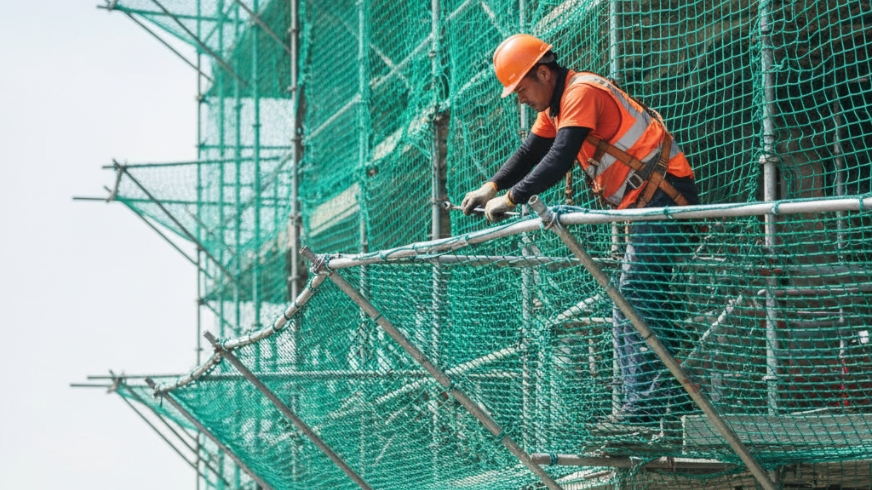
1.Inspection and Maintenance Protocols: Regular inspection is mandatory for all safety net installations. Daily visual checks should look for damage, wear, improper tensioning, or displacement. Weekly detailed inspections should examine all components including mesh, ropes, connections, and anchor points. Documentation of all inspections is crucial for compliance and liability purposes. Nets showing any signs of damage—cuts, abrasions, UV degradation, chemical exposure, or impact damage—must be immediately taken out of service. Professional recertification is required after any impact event or at regular intervals as specified by manufacturers.
2.Compliance and Regulatory Requirements: Construction safety nets must comply with local building codes and international standards like OSHA 1926.502, EN 1263, and AS/NZS 4389. Site managers must maintain detailed records of net specifications, installation dates, inspection logs, and maintenance activities. Training requirements include proper installation techniques, inspection procedures, and emergency response protocols. Regular safety audits should verify that nets are correctly positioned relative to working heights (typically no more than 6-9 meters below work areas) and that all workers understand the systems in place.


Pradeeth Kumar
20Jun, 2025 08:56pmThe installation of construction safety nets was seamless. The team ensured all safety measures were in place, protecting workers from potential hazards. Highly recommend for construction sites!
Ranjith Reddy
25Jun, 2025 08:56pmThe safety nets made a huge difference in protecting the site from falling debris. Great job by the installation team. The nets are durable and provide excellent safety.
Manasa Madhuri
27Jun, 2025 08:56pmImpressed by the quality of the construction safety nets installed at our site. It provided necessary protection for workers and visitors. A must-have for any construction project.